Be yourself; Everyone else is already taken.
— Oscar Wilde.
This is the first post on my new blog. I’m just getting this new blog going, so stay tuned for more. Subscribe below to get notified when I post new updates.
Be yourself; Everyone else is already taken.
— Oscar Wilde.
This is the first post on my new blog. I’m just getting this new blog going, so stay tuned for more. Subscribe below to get notified when I post new updates.
It has been said countless times that the Philippines is experiencing a crisis not seen in modern times. The coronavirus pandemic has changed the way we all live across the globe and the long-term implications are as yet unclear. A lot of things has changed when this pandemic came but us Filipinos no matter what crisis happens we are all known for being resilient.
Everyone is at risk in this virus no matter what you are, no matter where you live, no matter what is your background. But Filipinos is known for being hospitable in times of crisis we all help each other. The first role of any government is to protect the lives of its citizens and we support the government wholeheartedly in this.
The social restrictions in place for the last few weeks will do just that if we all play our part. But this means we have seen unprecedented restrictions of our rights in order to stop the spread, protect lives and reduce the pressure on the health service.
As the restrictions on rights and the dramatic measures to stop the spread continue, we know that there are some groups of people who will feel the effects more than others. Those who are most disadvantaged in society need our support now more than ever.
WHAT ARE WE DOING
The Philippine government mounted a multi-sectoral response to the COVID-19, through the Interagency Task Force (IATF) on Emerging Infectious Diseases chaired by the Department of Health (DOH). Through the National Action Plan (NAP) on COVID-19, the government aims to contain the spread of COVID-19 and mitigate its socioeconomic impacts.
The Philippines implemented various actions including a community quarantine in Metro Manila which expanded to Luzon as well as other parts of the country; expanded its testing capacity from one national reference laboratory with the Research Institute of Tropical Medicine (RITM) to 23 licensed testing labs across the country; worked towards ensuring that its health care system can handle surge capacity, including for financing of services and management of cases needing isolation, quarantine and hospitalization; and addressed the social and economic impact to the community including by providing social amelioration to low income families.
CONTACT TRACING
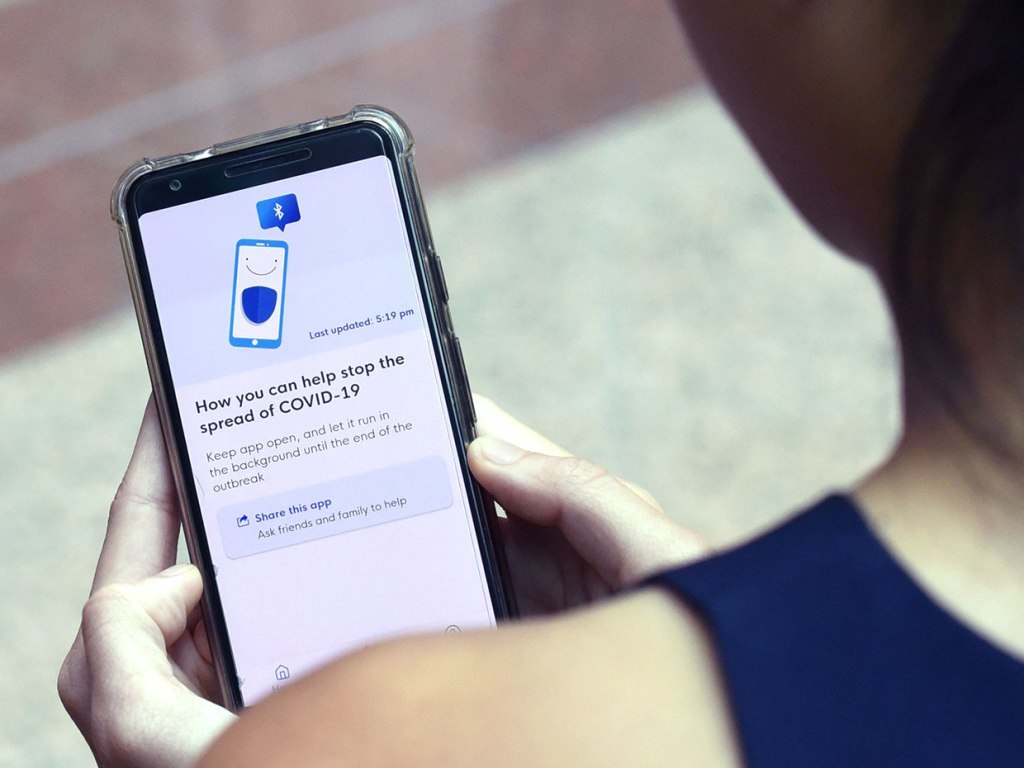
Contact tracing is crucial to the response. It is a system to detect and isolate cases and identify close contacts who will be advised for quarantine. It allows the investigation the system to tracjk the chain of infections as well as the settings, places, events or other avenues that where transmission have occurred or may have been amplified. A major bottleneck to doing this is the availability of timely and complete information from the hospitals for suspected, probable and confirmed COVID-19 cases.
Laboratory and therapeutics access
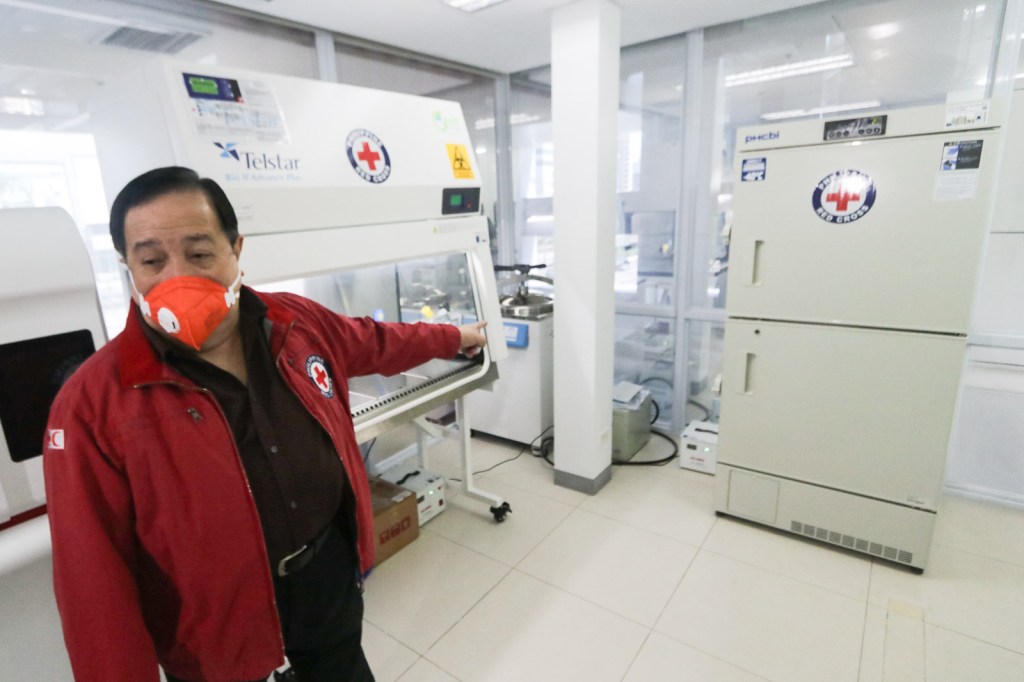
Laboratory testing for COVID-19 is critical to be able to rapidly identify, treat and isolate the positive patients, and be able to see the bigger picture of how many people are infected and ultimately stop the transmission of the virus. Since the beginning of the response, WHO provided support to the DOH’s Research Institute for Tropical Medicine with laboratory supplies and extraction kits. With the help of other countries and private sector we have more testing kits that they donate which helps us to test lots of filipinos.
Risk communication and community engagement
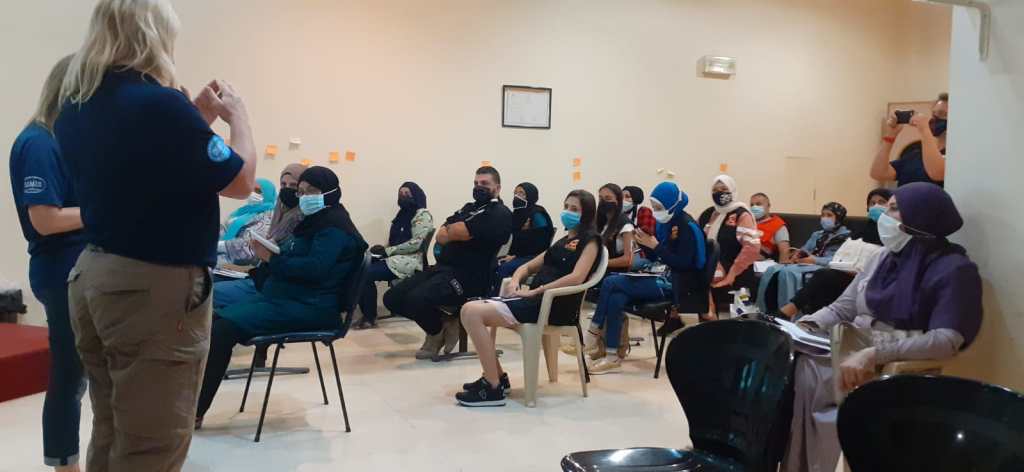
Effective communication and engagement with communities is essential for people to understand the situation, know the situation and practice protective measures to protect their health, their family and the larger community. WHO supported and amplified DOH messaging by releasing various communication materials on the risk of COVID-19 and how people can protect themselves through social media and traditional media. WHO also worked with partners such as UNICEF and OCHA in reaching vulnerable groups, getting their feedback and understanding their information needs.
Much more needs to be done to break the chain of COVID-19 transmission. Some of the challenges that the Philippines continues to face are containing transmission of infection, mitigating the impact in high risks communities and confined settings, as well as ensuring the uniform enforcement of non-pharmaceutical interventions that are already in place. The continuation of the community quarantine will have substantial social and economic impact and thus a heightened effort to control transmission of infections through rigorous contact tracing, isolation of cases, quarantine of contacts while ensuring timely and adequate treatment to save lives will continue to be the primary public health measure. In addition, while the government is exerting all its efforts in this current situation, it also needs to prepare its health systems for surge capacity in the event that a wide-scale community transmission occurs.
This is an example post, originally published as part of Blogging University. Enroll in one of our ten programs, and start your blog right.
You’re going to publish a post today. Don’t worry about how your blog looks. Don’t worry if you haven’t given it a name yet, or you’re feeling overwhelmed. Just click the “New Post” button, and tell us why you’re here.
Why do this?
The post can be short or long, a personal intro to your life or a bloggy mission statement, a manifesto for the future or a simple outline of your the types of things you hope to publish.
To help you get started, here are a few questions:
You’re not locked into any of this; one of the wonderful things about blogs is how they constantly evolve as we learn, grow, and interact with one another — but it’s good to know where and why you started, and articulating your goals may just give you a few other post ideas.
Can’t think how to get started? Just write the first thing that pops into your head. Anne Lamott, author of a book on writing we love, says that you need to give yourself permission to write a “crappy first draft”. Anne makes a great point — just start writing, and worry about editing it later.
When you’re ready to publish, give your post three to five tags that describe your blog’s focus — writing, photography, fiction, parenting, food, cars, movies, sports, whatever. These tags will help others who care about your topics find you in the Reader. Make sure one of the tags is “zerotohero,” so other new bloggers can find you, too.
Have a WordPress.com account? Log in now.

